

Dubai used-car market rebounds sharply after difficult start to 2026
SellAnyCar Group data shows dealer purchasing, consumer spending and retail sales recovering after falling sharply
Dubai’s used-car market has staged a sharp recovery after a difficult first half of 2026, according to new data from SellAnyCar Group, with dealers buying more vehicles and consumers spending more than they did a year earlier.
The company’s dealer purchasing index, which measures buying activity among major used-car dealers working with its platform, began the year at 100 but fell to 78 in February, 44 in March and 42 in April.
That meant dealer purchasing activity in April was less than half its January level. By August, however, the index had risen above 100, suggesting participating dealers were buying more stock than they had at the beginning of the year.
Retail sales from January to June remained 31 per cent below the same period in 2025, underlining the scale of the slowdown.
Summer rebound
The picture changed markedly during July and August, when sales were 70 per cent higher than in the equivalent two months of last year.
Average spending per vehicle during July and August was also 32 per cent above the average recorded during the first six months of 2026.
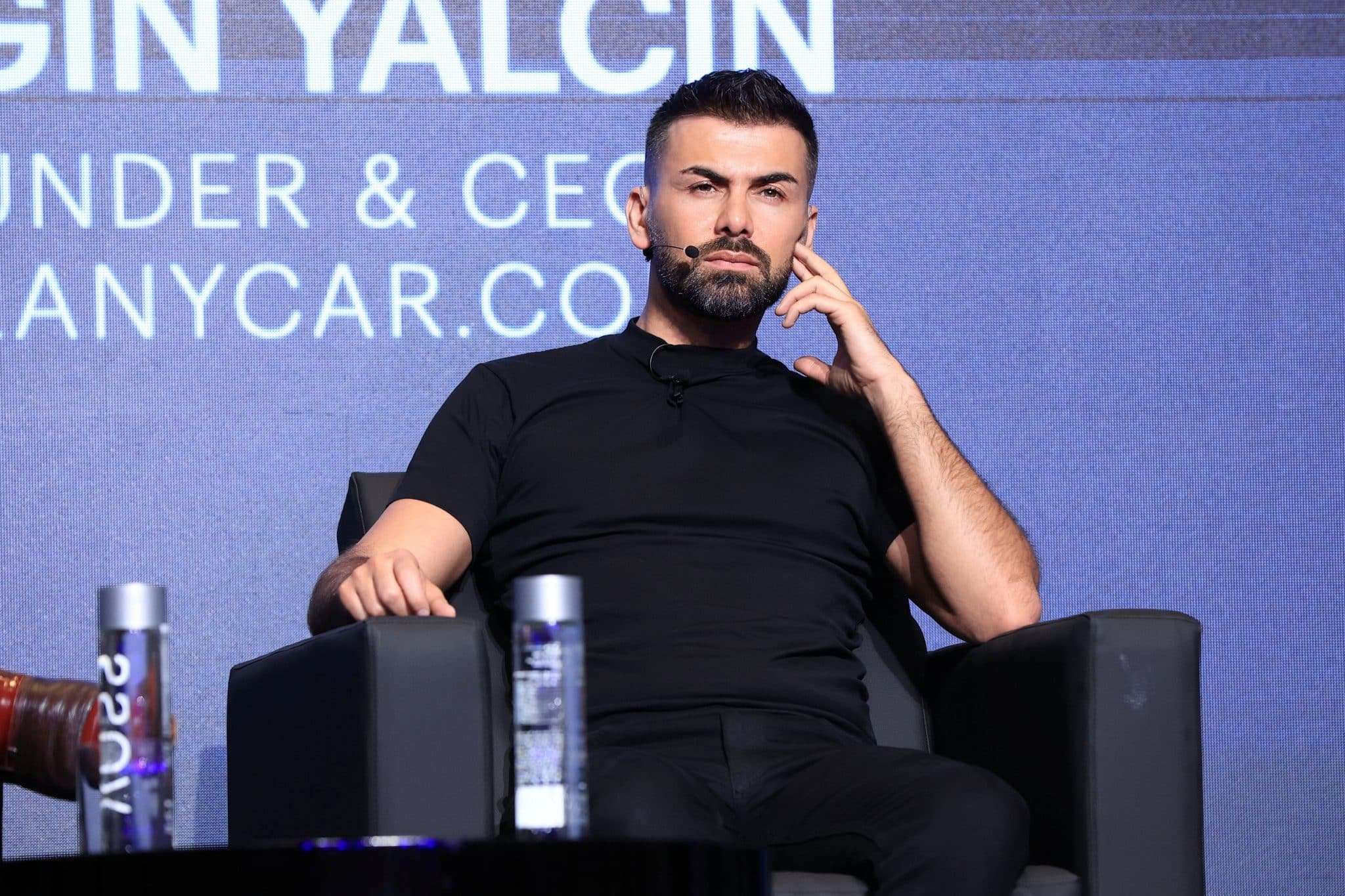
SellAnyCar Group founder and CEO Saygin Yalcin said dealer purchasing could provide a useful indication of confidence because dealerships commit capital only when they believe vehicles can be resold.
“Dealer activity is important because it involves real money,” Yalcin said. “A dealer does not buy more stock to make a statement about the economy. The dealer buys because there is confidence that the cars can be sold.”
More vehicles were also offered for assessment. The combined value of vehicles evaluated through the company’s system reached $613 million between June and August, compared with $563 million from March to May.
The figures come from SellAnyCar Group’s own operations and therefore do not represent Dubai’s entire automotive sector. August’s figures are also preliminary.
However, the company said the recovery appeared across several measures involving different parts of the market.
Dealer purchases
Vehicle valuations indicate whether owners are considering selling. Dealer purchases show whether businesses are prepared to risk capital on inventory, while retail sales and average transaction values reflect consumer behaviour.
“One company’s numbers cannot represent the entire Dubai economy,” Yalcin said. “But these are thousands of real decisions by sellers, buyers and dealers. When all three groups start moving at the same time, it tells you something.”
The automotive market can react quickly to economic uncertainty because consumers can postpone replacing a vehicle and dealerships can reduce inventory to protect cash.
Yalcin said Dubai’s ability to respond rapidly to difficult conditions was more revealing than the slowdown itself.
“Dubai gets declared finished every time the market slows,” he said. “When you actually operate a business here, you learn to separate a difficult few months from a permanent change in direction.”
He argued that weaker periods force businesses to examine costs, improve products and operate with greater discipline, leaving stronger companies better placed when demand returns.
“Dubai’s strength is not that nothing ever goes wrong,” Yalcin said. “Its strength is speed. The city reacts, businesses adjust and people get back to building.”
Source: Arabian Business
About the Author

SayginYalcin Saygin is the Founder & CEO of the Middle East's (ME) first & largest car buying service, SellAnyCar.com and Founder of the first & largest online private shopping club in the ME, Sukar.com, which has been acquired by Souq.com, making him Partner at the Souq.com and Jabbar Internet Group, becoming the largest ecommerce company in the Arab world, with 3000+ employees. In its largest acquisition outside the US to date, Amazon.com has acquired Souq.com Group. He has been selected as a UBS Industry Leader, a network of Ultra-High-Net-Worth Individuals. He was also Advisory Board Member & Academic Lecturer of Entrepreneurship at the Canadian University of Dubai. He was referred to as "the region's online business guru" by the National newspaper in the UAE, while Arabian Business named him as "one of the region's finest young entrepreneurs and a major part of the entrepreneurial scene in recent years". Fortune magazine (mag) named him in the 40 under 40 list, as one of the most influential young people in business, Entrepreneur mag ME awarded SellAnyCar.com, with Saygin at its helm, as the "Fastest Growing Company in the ME", while the National newspaper sees it among a handful of tech companies to "have the potential to break the $1bn barrier". In a cover story, Entrepreneur mag ME titled him as "undoubtedly one of the youngest & most successful internet entrepreneurs in the ME”, awarded SellAnyCar.com as "Technology Innovator of the Year”, while Khaleej Times awarded him as the Technology Leader. Gulf Business selected him as 1 of the Top 10 Entrepreneurs in ME. In a cover story, Arabian Business counts him as 1 of the most successful entrepreneurs to call Dubai home. During the World Government Summit, HH Sheikh Saif Bin Zayed, Minister of Interior of the UAE, presented Saygin as an inspiring story for the country, in the presence of world leaders, incl. HH Sheikh Mohammed Bin Rashid Al Maktoum.
Related Posts

Saygin Yalcin’s CNN Interview →

AB Majlis podcast: ‘Building a great company takes decades – not years,’ says Saygin Yalcin →

‘Sitting on a goldmine’? World’s first number plate valuation tool launches in Dubai, trading platform to follow →


